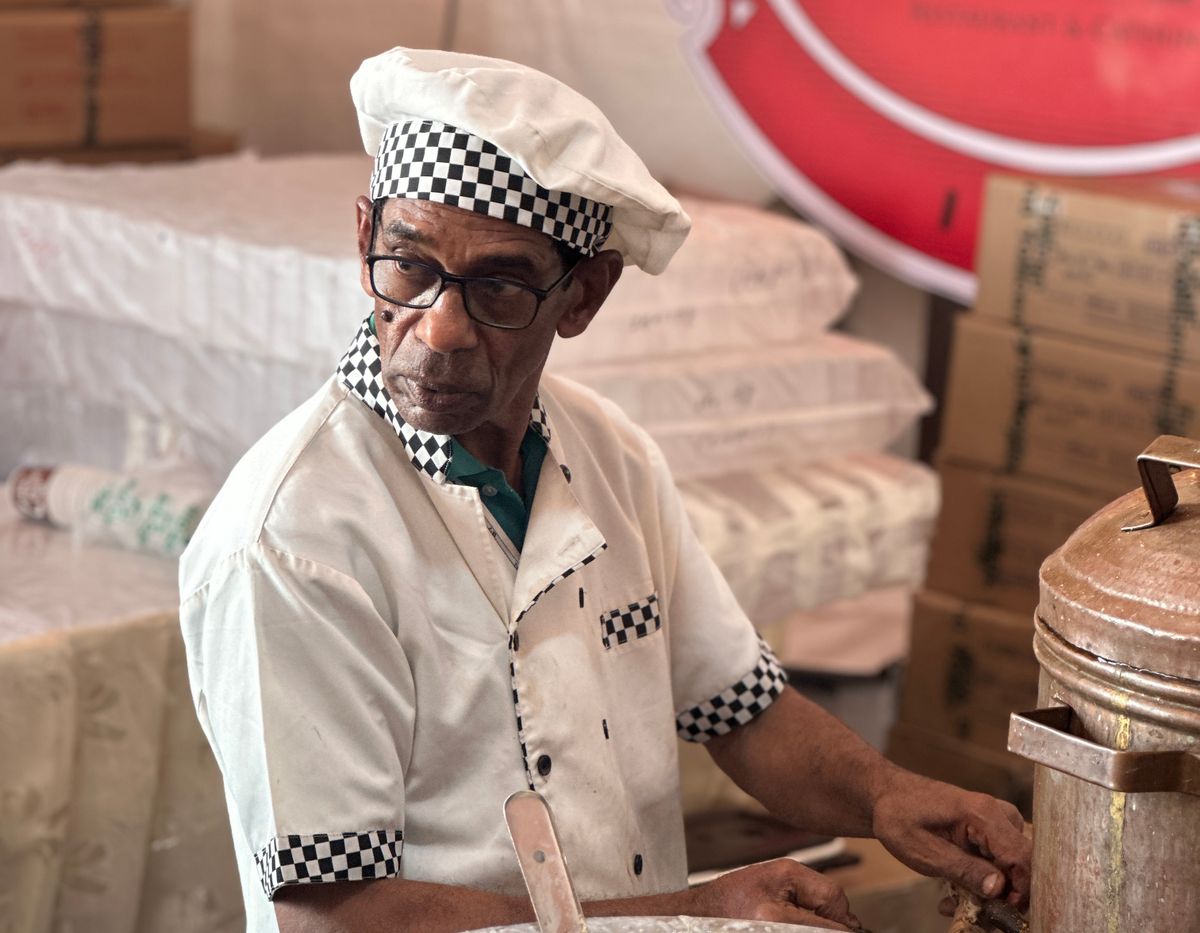
This section is written specifically for Food Stall Catering. It uses a different set of operational checkpoints, venue questions and guest-service priorities so the page is not a copy of another catering or locality page. The final choices still depend on the confirmed venue, guest count, menu and event schedule.
1. Backup Gas Planning for Food Stall Catering
For food stall catering, one way to keep the day organised is to assign separate checkpoints for backup gas planning, water-can staging and shade and fan planning. The sequence can be adjusted to suit the function, but each checkpoint should be visible in the service brief. This reduces repeated verbal instructions and makes handovers between teams more reliable.
2. Boxed-Meal Numbering for Food Stall Catering
A distinctive planning angle for food stall catering is the relationship between boxed-meal numbering, return-trip dispatch and plate pickup point. These details may look operational, but they directly influence guest comfort and food quality. Confirming them early makes the service plan more specific to this page rather than a generic catering checklist.
3. Sattvic Ingredient Review for Food Stall Catering
For food stall catering, one way to keep the day organised is to assign separate checkpoints for sattvic ingredient review, narrow-lane vehicle plan and marriage-hall kitchen inspection. The sequence can be adjusted to suit the function, but each checkpoint should be visible in the service brief. This reduces repeated verbal instructions and makes handovers between teams more reliable.
4. Elder Escort Route for Food Stall Catering
When the brief for food stall catering reaches the venue-planning stage, review elder escort route first, then test it against guest queue split. The final decision should also account for supplier arrival window. This sequence gives the service supervisor a practical order of work instead of a broad instruction that can be interpreted differently on event day.
5. Guest Assistance Point for Food Stall Catering
During the final review for food stall catering, ask whether guest assistance point is realistic at the selected venue. Then confirm how institutional attendance count will be handled and who will monitor cut-fruit exposure time. Recording these answers gives the catering crew a usable service map and helps the host understand why certain menu or counter choices are recommended.
6. Child-Friendly Portion Point for Food Stall Catering
A distinctive planning angle for food stall catering is the relationship between child-friendly portion point, leaf disposal route and service supervisor radio point. These details may look operational, but they directly influence guest comfort and food quality. Confirming them early makes the service plan more specific to this page rather than a generic catering checklist.
7. Cake-Cutting Service Pause for Food Stall Catering
A venue walk-through for food stall catering becomes more useful when it checks cake-cutting service pause, cloth-napkin count and equipment return list instead of only measuring the dining area. Those details connect the back-of-house plan with the guest-facing experience. Any constraint found here can be solved before the event rather than during the busiest service period.
8. Water-Station Placement for Food Stall Catering
The final operating note for food stall catering should not stop at menu names. It should also capture water-station placement, explain the approach to salad cold chain, and specify how temporary sink setup will be checked. These details are deliberately page-specific so the plan reflects the event type or locality instead of repeating the same advice everywhere.
9. Hospital Dietary Label Check for Food Stall Catering
A venue walk-through for food stall catering becomes more useful when it checks hospital dietary label check, event-day contact tree and loading-bay timing instead of only measuring the dining area. Those details connect the back-of-house plan with the guest-facing experience. Any constraint found here can be solved before the event rather than during the busiest service period.
10. Kids Snack Timing for Food Stall Catering
The final operating note for food stall catering should not stop at menu names. It should also capture kids snack timing, explain the approach to security gate coordination, and specify how house-function footwear area will be checked. These details are deliberately page-specific so the plan reflects the event type or locality instead of repeating the same advice everywhere.
11. Dessert Bowl Staging for Food Stall Catering
A venue walk-through for food stall catering becomes more useful when it checks dessert bowl staging, elder seating access and venue utility check instead of only measuring the dining area. Those details connect the back-of-house plan with the guest-facing experience. Any constraint found here can be solved before the event rather than during the busiest service period.
12. Food Label Readability for Food Stall Catering
Rather than increasing the number of dishes for food stall catering, use operational clarity to improve the experience. food label readability can be paired with community volunteer briefing, while milk boiling schedule is checked separately with the venue or host. This approach keeps the menu practical and reduces avoidable changes after production has started.