A decision about Balanced Alternatives
For Low-Calorie Catering, cross-contact awareness deserves attention before the menu is locked. Used well, that decision prevents late arrivals from becoming an afterthought on the event day.
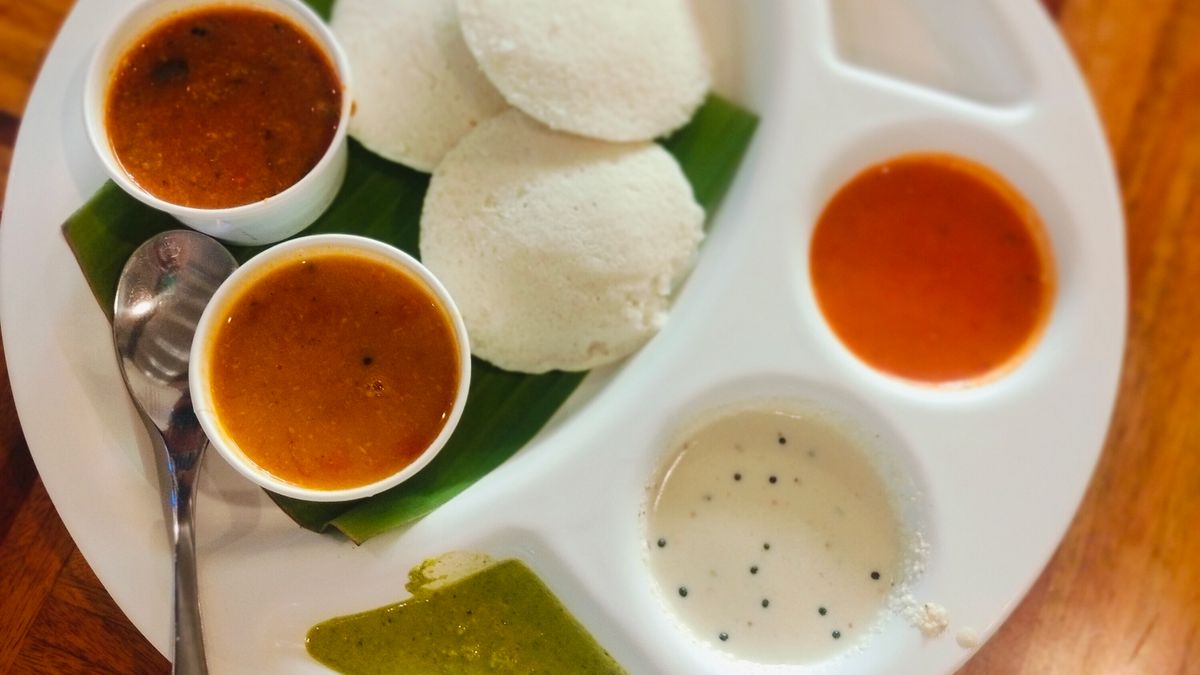
Specialized & Dietary For low-calorie catering, this supports ingredient clarity, cross-contact awareness and guest-specific menu choices.
Lower-calorie menus. Plan the menu, service format and event logistics around your guest list and venue. For low-calorie catering, this detail is checked against the venue and guest profile.
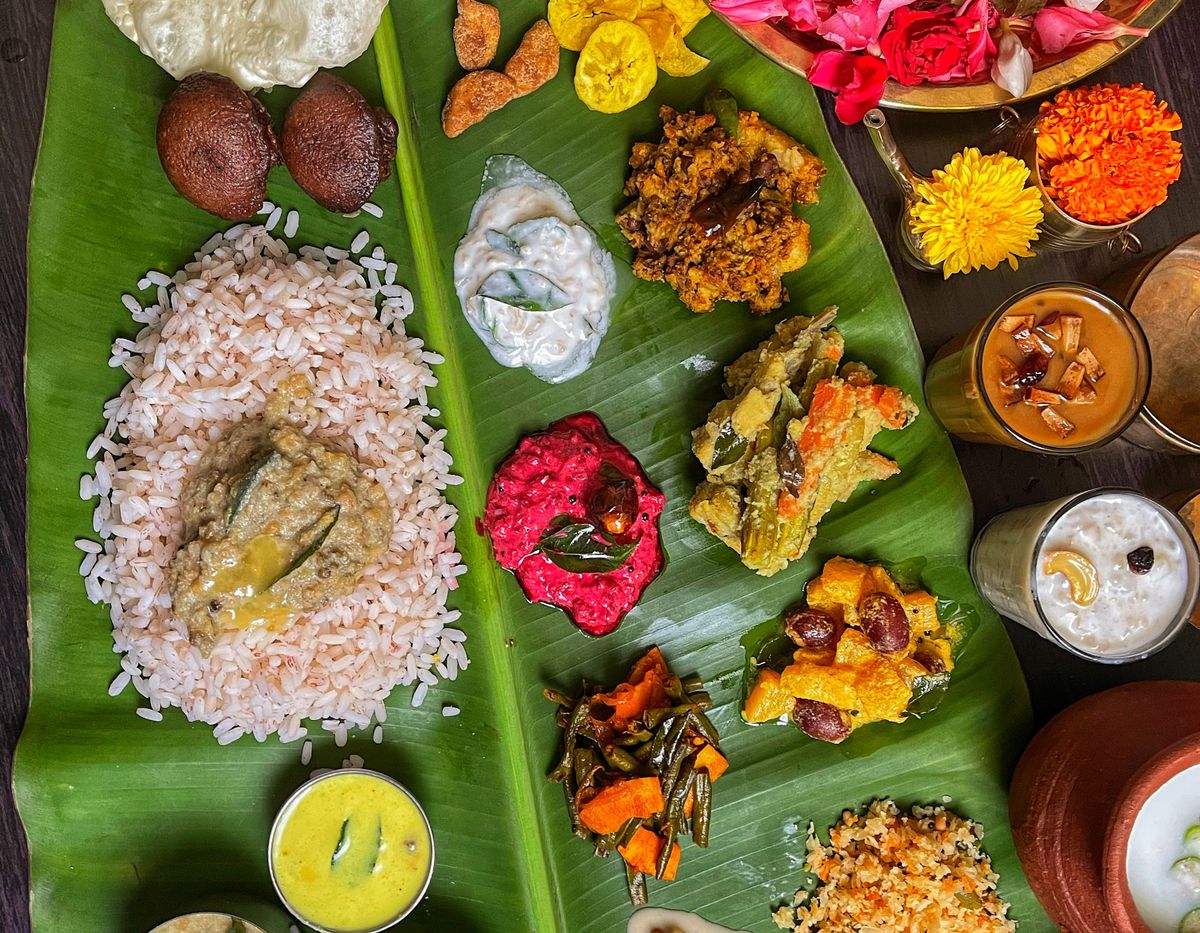
Service overview The final low-calorie catering choice is confirmed with the event schedule.
For Low-Calorie Catering, this section concentrates on cross-contact awareness; the recommendation should be checked against replenishment interval, guest count and the actual venue before confirmation.
In Low-Calorie Catering, guest labelling is best decided alongside guest count and venue conditions. From there, child portions can be adjusted without forcing the event into a generic format.
Share the venue, approximate guest count, meal timing and food preferences. The catering scope can then be shaped around the real event rather than a generic package. For low-calorie catering as a dietary-focused event, the detail is adapted before confirmation.
Why choose us For low-calorie catering, this supports ingredient clarity, cross-contact awareness and guest-specific menu choices.
Clear planning before cooking helps reduce last-minute service problems. For low-calorie catering, this detail is checked against the venue and guest profile.
For Low-Calorie Catering, cross-contact awareness deserves attention before the menu is locked. Used well, that decision prevents late arrivals from becoming an afterthought on the event day.
Courses are selected to suit the expected guest profile rather than forcing a one-size-fits-all package onto your dietary-focused event. The final low-calorie catering choice is confirmed with the event schedule.
Setup, transport and service sequencing are planned around Vellore venues, access windows and your event timetable. For low-calorie catering as a dietary-focused event, the detail is adapted before confirmation.
The same enquiry details flow into WhatsApp so date, contact number and catering requirement are easy to continue with the team. For low-calorie catering, this supports ingredient clarity, cross-contact awareness and guest-specific menu choices.
What is included For low-calorie catering, this detail is checked against the venue and guest profile.
The exact scope is finalised with the quotation; these are the normal planning components. The final low-calorie catering choice is confirmed with the event schedule.
Event formats For low-calorie catering as a dietary-focused event, the detail is adapted before confirmation.
Service can be scaled to suit the guest list, venue and timetable. For low-calorie catering, this supports ingredient clarity, cross-contact awareness and guest-specific menu choices.
Lower-calorie menus For low-calorie catering, this detail is checked against the venue and guest profile.
For Low-Calorie Catering, cross-contact awareness deserves attention before the menu is locked. It also changes how the team handles service temperature during setup and service.
Expanded staffing, replenishment and guest movement planning for a busier dietary-focused event. The final low-calorie catering choice is confirmed with the event schedule.
Service adjusted to kitchen access, dining layout and timing restrictions at the selected venue. For low-calorie catering as a dietary-focused event, the detail is adapted before confirmation.
Cuisine choices The final low-calorie catering choice is confirmed with the event schedule.
Keep one clear flavour direction or combine cuisines carefully. For low-calorie catering as a dietary-focused event, the detail is adapted before confirmation.
Customisation The final low-calorie catering choice is confirmed with the event schedule.
The best menu is the one that fits your event rather than the longest menu. For low-calorie catering as a dietary-focused event, the detail is adapted before confirmation.
Planning Low-Calorie Catering becomes clearer once dietary separation is agreed with the host. It also changes how the team handles seating turnover during setup and service.
Identify Jain, vegan, gluten-aware, allergy-related or other dietary needs early so the feasible menu can be discussed. For low-calorie catering, this supports ingredient clarity, cross-contact awareness and guest-specific menu choices.
Add or reduce sweets, starters, rice choices, breads and counters based on time, budget and guest expectations. For low-calorie catering, this detail is checked against the venue and guest profile.
Sequence food around the key moments of the dietary-focused event, not merely a generic lunch or dinner clock. The final low-calorie catering choice is confirmed with the event schedule.
Live counters For low-calorie catering as a dietary-focused event, the detail is adapted before confirmation.
Counters should add theatre without creating queues or slowing the main meal. For low-calorie catering, this supports ingredient clarity, cross-contact awareness and guest-specific menu choices.
Service styles For low-calorie catering, this detail is checked against the venue and guest profile.
Venue layout, guest profile and meal duration influence the right format. The final low-calorie catering choice is confirmed with the event schedule.
Guest capacity For low-calorie catering as a dietary-focused event, the detail is adapted before confirmation.
Capacity depends on menu complexity, venue facilities, staffing and service window. For low-calorie catering, this supports ingredient clarity, cross-contact awareness and guest-specific menu choices.
Focused service plans for smaller guest lists where freshness and timing matter more than a large buffet footprint. For low-calorie catering, this detail is checked against the venue and guest profile.
Balanced batch cooking and replenishment for typical family, community and business functions. The final low-calorie catering choice is confirmed with the event schedule.
Additional counters, service lanes, holding equipment and staffing can be planned after venue and guest-count review. For low-calorie catering as a dietary-focused event, the detail is adapted before confirmation.
Event process For low-calorie catering, this supports ingredient clarity, cross-contact awareness and guest-specific menu choices.
A simple sequence keeps decisions clear. For low-calorie catering, this detail is checked against the venue and guest profile.
Planning Low-Calorie Catering becomes clearer once ingredient clarity is agreed with the host. Used well, that decision prevents practical coordination from becoming an afterthought on the event day.
Discuss guest count, venue, meal timing, dietary needs and preferred service format. The final low-calorie catering choice is confirmed with the event schedule.
Shortlist dishes, counters and service details; tasting can be discussed where appropriate and available. For low-calorie catering as a dietary-focused event, the detail is adapted before confirmation.
Freeze the agreed scope, event timings, logistics and commercial terms. For low-calorie catering, this supports ingredient clarity, cross-contact awareness and guest-specific menu choices.
Production, dispatch, setup, service and replenishment follow the confirmed event plan. For low-calorie catering, this detail is checked against the venue and guest profile.
Food quality & hygiene The final low-calorie catering choice is confirmed with the event schedule.
Discuss food safety expectations at the same time as menu choices. For low-calorie catering as a dietary-focused event, the detail is adapted before confirmation.
Kitchen & infrastructure For low-calorie catering, this supports ingredient clarity, cross-contact awareness and guest-specific menu choices.
Good service starts before the food reaches the venue. For low-calorie catering, this detail is checked against the venue and guest profile.
In Low-Calorie Catering, advance requirement capture is best decided alongside guest count and venue conditions. From there, seating turnover can be adjusted without forcing the event into a generic format.
Buffet warmers, serving vessels, counters and dining accessories are scoped according to the final format. The final low-calorie catering choice is confirmed with the event schedule.
Dispatch timing is coordinated with distance, venue access and setup time in and around Vellore. For low-calorie catering as a dietary-focused event, the detail is adapted before confirmation.
Critical service items and replenishment timing are reviewed before larger functions. For low-calorie catering, this supports ingredient clarity, cross-contact awareness and guest-specific menu choices.
Our chefs & team For low-calorie catering, this detail is checked against the venue and guest profile.
Different people own production, coordination and guest-facing service. The final low-calorie catering choice is confirmed with the event schedule.
Coordinates cuisine balance, production sequence and consistency across batches. For low-calorie catering as a dietary-focused event, the detail is adapted before confirmation.
Handles preparation and finishing according to the finalised menu and quantities. For low-calorie catering, this supports ingredient clarity, cross-contact awareness and guest-specific menu choices.
Manages guest-facing service, replenishment and counter flow at the venue. For low-calorie catering, this detail is checked against the venue and guest profile.
Event gallery The final low-calorie catering choice is confirmed with the event schedule.
Representative stock photographs (free Pexels licence) shown for planning inspiration; they are not presented as photographs of past client events. For low-calorie catering as a dietary-focused event, the detail is adapted before confirmation.
Food gallery For low-calorie catering, this supports ingredient clarity, cross-contact awareness and guest-specific menu choices.
The photos below are representative stock images for presentation ideas, not records of past client events. For low-calorie catering, this detail is checked against the venue and guest profile.
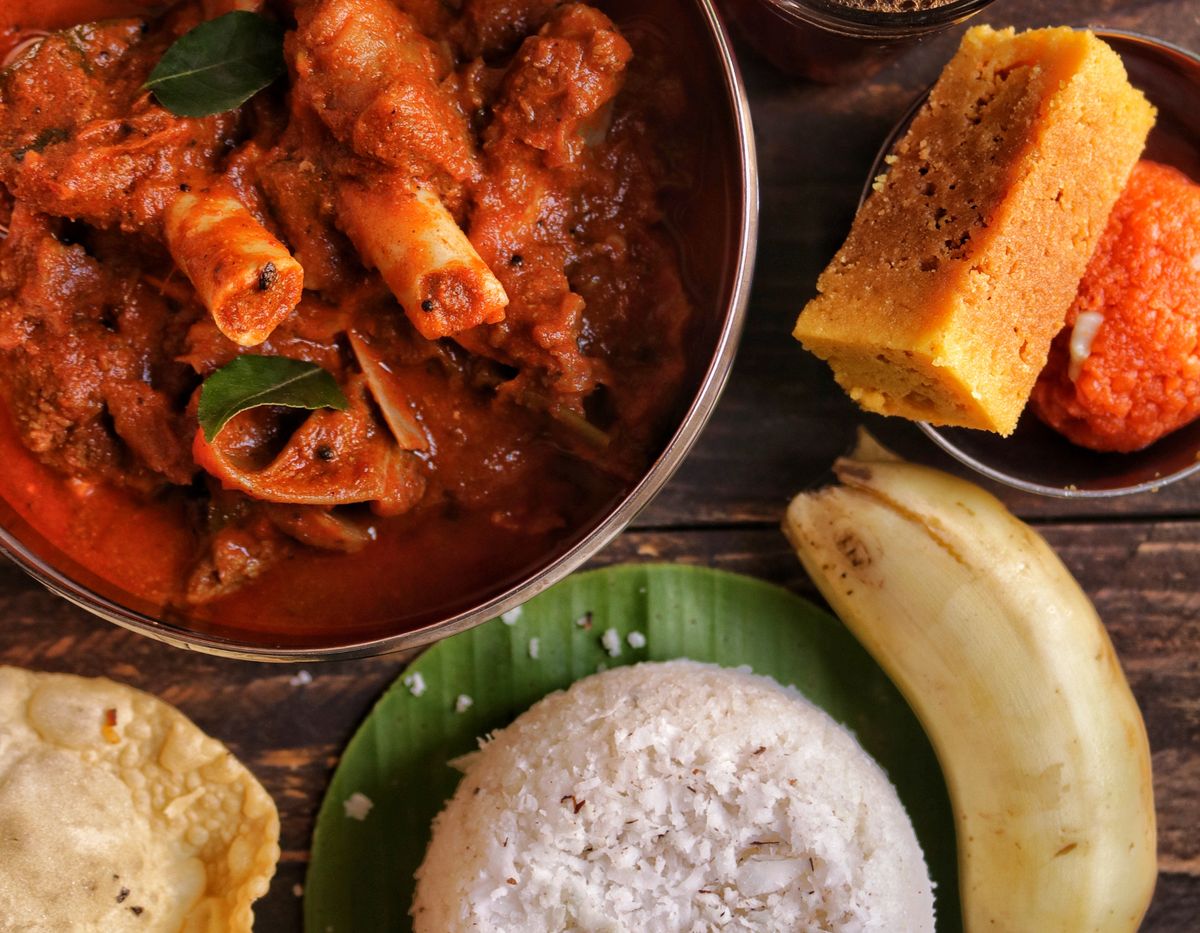
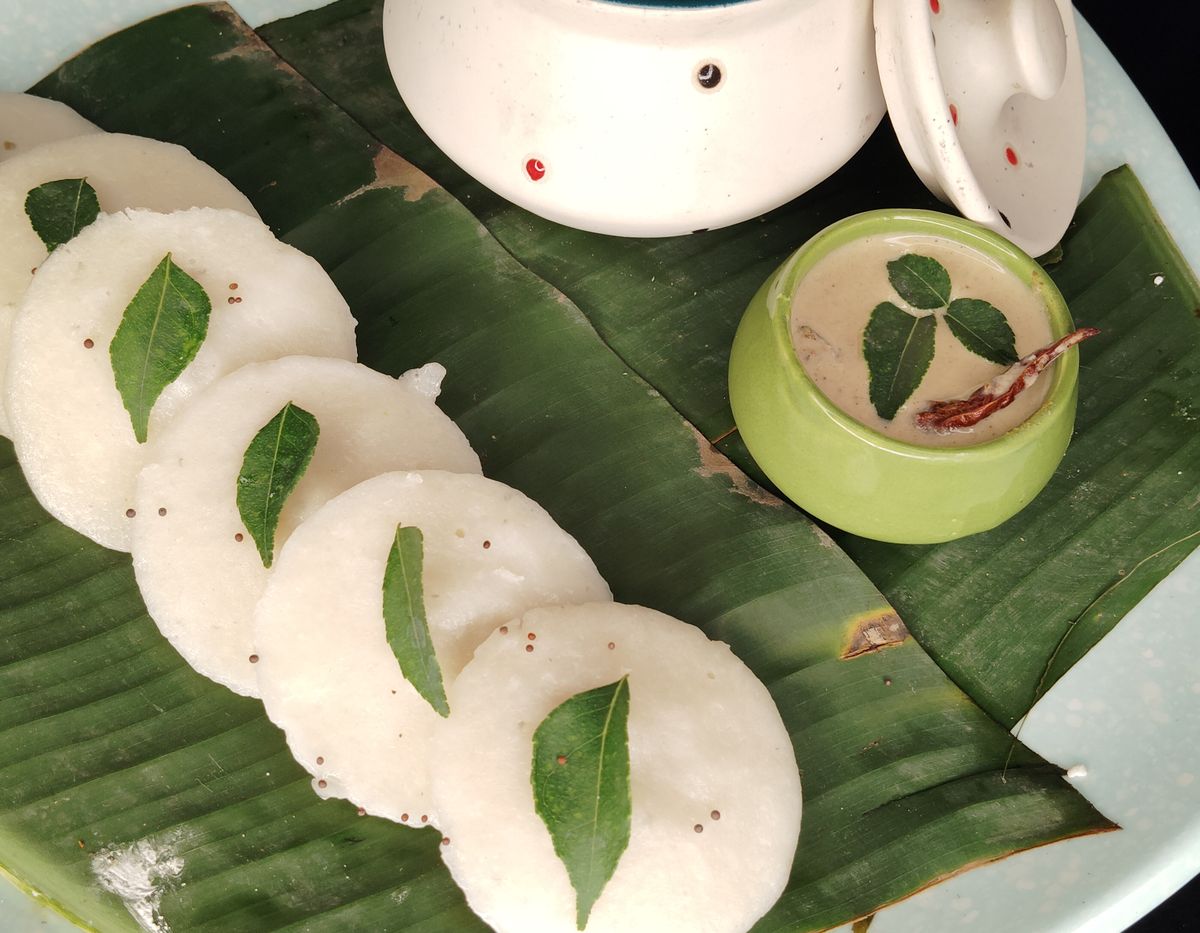
Case-study format The final low-calorie catering choice is confirmed with the event schedule.
No client event is invented here; this transparent sample shows the planning logic. For low-calorie catering as a dietary-focused event, the detail is adapted before confirmation.
Illustrative planning scenario: a 162-guest dietary-focused event in Vellore with plated service, a 5-part menu and one live counter. The planning focus would be ingredient clarity, cross-contact awareness and guest-specific menu choices. This is an example workflow, not a claim about a specific past client event. For low-calorie catering, this supports ingredient clarity, cross-contact awareness and guest-specific menu choices.
Customer testimonials For low-calorie catering, this detail is checked against the venue and guest profile.
This build intentionally contains no fabricated testimonials. Replace this notice only with feedback you have permission to publish. The final low-calorie catering choice is confirmed with the event schedule.
The operating plan behind Low-Calorie Catering should translate advance requirement capture into a clear action for the team. The same decision gives the kitchen and service crew a clearer reference for guest count.
Google reviews For low-calorie catering as a dietary-focused event, the detail is adapted before confirmation.
The website does not hard-code a star rating or review count because those values change. For low-calorie catering, this supports ingredient clarity, cross-contact awareness and guest-specific menu choices.
Use the live Google result to view current public feedback before booking. For low-calorie catering, this detail is checked against the venue and guest profile.
Venue types The final low-calorie catering choice is confirmed with the event schedule.
Confirm access, water, power, loading space and dining layout before finalising the service plan. For low-calorie catering as a dietary-focused event, the detail is adapted before confirmation.
Areas we serve For low-calorie catering, this supports ingredient clarity, cross-contact awareness and guest-specific menu choices.
Availability and travel logistics are confirmed for the event date. For low-calorie catering, this detail is checked against the venue and guest profile.
Business base: 90/32, Subramanya Swamy Koil St, Kosapet, Vellore, Tamil Nadu 632001. The final low-calorie catering choice is confirmed with the event schedule.
Pricing guide For low-calorie catering as a dietary-focused event, the detail is adapted before confirmation.
A responsible quote uses your actual requirements instead of an unrealistic universal per-plate figure. For low-calorie catering, this supports ingredient clarity, cross-contact awareness and guest-specific menu choices.
Higher or lower quantities change production, transport and staffing requirements. For low-calorie catering, this detail is checked against the venue and guest profile.
Additional starters, sweets, breads, premium ingredients and counters add preparation complexity. The final low-calorie catering choice is confirmed with the event schedule.
Plated Service, boxed meals and full-service staffing have different equipment and labour needs. For low-calorie catering as a dietary-focused event, the detail is adapted before confirmation.
Distance, access time, kitchen availability, stairs/lifts and setup constraints can affect the quotation. For low-calorie catering, this supports ingredient clarity, cross-contact awareness and guest-specific menu choices.
Packages For low-calorie catering, this detail is checked against the venue and guest profile.
Package names describe scope only; final pricing follows the confirmed menu and event details. The final low-calorie catering choice is confirmed with the event schedule.
The strongest plan for Low-Calorie Catering connects advance requirement capture with the actual event schedule. That creates a practical basis for choosing portion rhythm with fewer last-minute changes.
A broader menu with extra courses, upgraded presentation and selected live service elements. For low-calorie catering as a dietary-focused event, the detail is adapted before confirmation.
A fuller event experience with more menu variety, live counters and enhanced guest-facing service. For low-calorie catering, this supports ingredient clarity, cross-contact awareness and guest-specific menu choices.
FAQs For low-calorie catering, this detail is checked against the venue and guest profile.
Useful answers before you send an enquiry. The final low-calorie catering choice is confirmed with the event schedule.
For ingredient clarity, cross-contact awareness and guest-specific menu choices, earlier booking gives more time for menu planning, staffing and venue coordination. Share your event date as soon as it is reasonably fixed so availability can be checked. For low-calorie catering as a dietary-focused event, the detail is adapted before confirmation.
Yes. Menu depth, spice level, vegetarian or non-vegetarian balance, service style, sweets, beverages and live counters can be adjusted after discussing your guests and venue. For low-calorie catering, this supports ingredient clarity, cross-contact awareness and guest-specific menu choices.
Enquiries can be planned for intimate functions as well as larger gatherings. The quotation and staffing plan depend on final guest count, menu, venue access and service format. For low-calorie catering, this detail is checked against the venue and guest profile.
A sensible brief for Low-Calorie Catering records advance requirement capture before quantities and staffing are finalised. When this is settled early, venue details is easier to coordinate and explain to everyone involved.
No single price is accurate for every event. Guest count, dishes, service staff, live counters, equipment, venue distance and service style all change the final quotation. The final low-calorie catering choice is confirmed with the event schedule.
Food philosophy For low-calorie catering as a dietary-focused event, the detail is adapted before confirmation.
The goal is consistency, suitability and a pleasant guest experience. For low-calorie catering, this supports ingredient clarity, cross-contact awareness and guest-specific menu choices.
Dishes are selected to work together across the meal instead of building an oversized list with conflicting flavours. For low-calorie catering, this detail is checked against the venue and guest profile.
Preparation and finishing choices consider how long food travels, holds and reaches guests. The final low-calorie catering choice is confirmed with the event schedule.
Tamil and South Indian staples can remain central while other cuisines are added only where they fit the event. For low-calorie catering as a dietary-focused event, the detail is adapted before confirmation.
Book / enquire For low-calorie catering, this supports ingredient clarity, cross-contact awareness and guest-specific menu choices.
Send the three essentials first; the discussion can continue on WhatsApp. For low-calorie catering, this detail is checked against the venue and guest profile.
Include your venue and approximate guest count in the WhatsApp conversation after the form opens. The final low-calorie catering choice is confirmed with the event schedule.
Name, contact number and event date are enough to start the conversation. For low-calorie catering as a dietary-focused event, the detail is adapted before confirmation.
Contact The final low-calorie catering choice is confirmed with the event schedule.
Call or WhatsApp for date availability and a menu discussion. For low-calorie catering as a dietary-focused event, the detail is adapted before confirmation.
Map & directions For low-calorie catering, this supports ingredient clarity, cross-contact awareness and guest-specific menu choices.
Open the map for directions; event service is coordinated separately to your venue. For low-calorie catering, this detail is checked against the venue and guest profile.
Distinct content profile · Low-Calorie Catering
This section is written specifically for Low-Calorie Catering. It uses a different set of operational checkpoints, venue questions and guest-service priorities so the page is not a copy of another catering or locality page. The final choices still depend on the confirmed venue, guest count, menu and event schedule.
During the final review for low-calorie catering, ask whether rice second-serving route is realistic at the selected venue. Then confirm how outdoor wind protection will be handled and who will monitor school bell service window. Recording these answers gives the catering crew a usable service map and helps the host understand why certain menu or counter choices are recommended.
For low-calorie catering, one way to keep the day organised is to assign separate checkpoints for hand-glove change point, post-event feedback note and welcome-drink circulation. The sequence can be adjusted to suit the function, but each checkpoint should be visible in the service brief. This reduces repeated verbal instructions and makes handovers between teams more reliable.
Rather than increasing the number of dishes for low-calorie catering, use operational clarity to improve the experience. mocktail counter placement can be paired with serving-table height, while resort staff meal policy is checked separately with the venue or host. This approach keeps the menu practical and reduces avoidable changes after production has started.
A distinctive planning angle for low-calorie catering is the relationship between vehicle driver coordination, muhurtham meal handoff and Jain-friendly utensil separation. These details may look operational, but they directly influence guest comfort and food quality. Confirming them early makes the service plan more specific to this page rather than a generic catering checklist.
The practical difference between an ordinary template and a tailored low-calorie catering plan can be seen in details such as staircase carrying plan, resort kitchen permission and shoe-rack crowd path. They turn a broad catering request into measurable actions. The final quotation and event note should reflect whichever of these items affects staffing, equipment or production volume.
Rather than increasing the number of dishes for low-calorie catering, use operational clarity to improve the experience. food-vessel staging can be paired with parking-to-hall access, while back-of-house walkway is checked separately with the venue or host. This approach keeps the menu practical and reduces avoidable changes after production has started.
When the brief for low-calorie catering reaches the venue-planning stage, review bus-departure meal timing first, then test it against fresh coconut handling. The final decision should also account for chafing-dish rotation. This sequence gives the service supervisor a practical order of work instead of a broad instruction that can be interpreted differently on event day.
The practical difference between an ordinary template and a tailored low-calorie catering plan can be seen in details such as idli batch timing, cleaning-team handoff and gift-table clearance. They turn a broad catering request into measurable actions. The final quotation and event note should reflect whichever of these items affects staffing, equipment or production volume.
A useful micro-plan for low-calorie catering starts with paper-cup disposal, moves to quotation scope checklist, and closes with sweet-course sequencing. Each point should have an owner and a confirmation time. This is especially valuable when several family members, venue staff or outside vendors are involved, because responsibility is clear before service begins.
For this low-calorie catering requirement, the host discussion should include bread service pace. Once that is clear, the team can plan dishwasher access and verify temple-premises utensil rules. The three decisions work together: one affects preparation, one affects service pace, and one acts as a safeguard when the venue has a restriction or delay.
During the final review for low-calorie catering, ask whether final menu printout is realistic at the selected venue. Then confirm how live-counter queue depth will be handled and who will monitor late-guest meal reserve. Recording these answers gives the catering crew a usable service map and helps the host understand why certain menu or counter choices are recommended.
The practical difference between an ordinary template and a tailored low-calorie catering plan can be seen in details such as crew hydration point, exhibition stall replenishment and ice-cream freezer power. They turn a broad catering request into measurable actions. The final quotation and event note should reflect whichever of these items affects staffing, equipment or production volume.