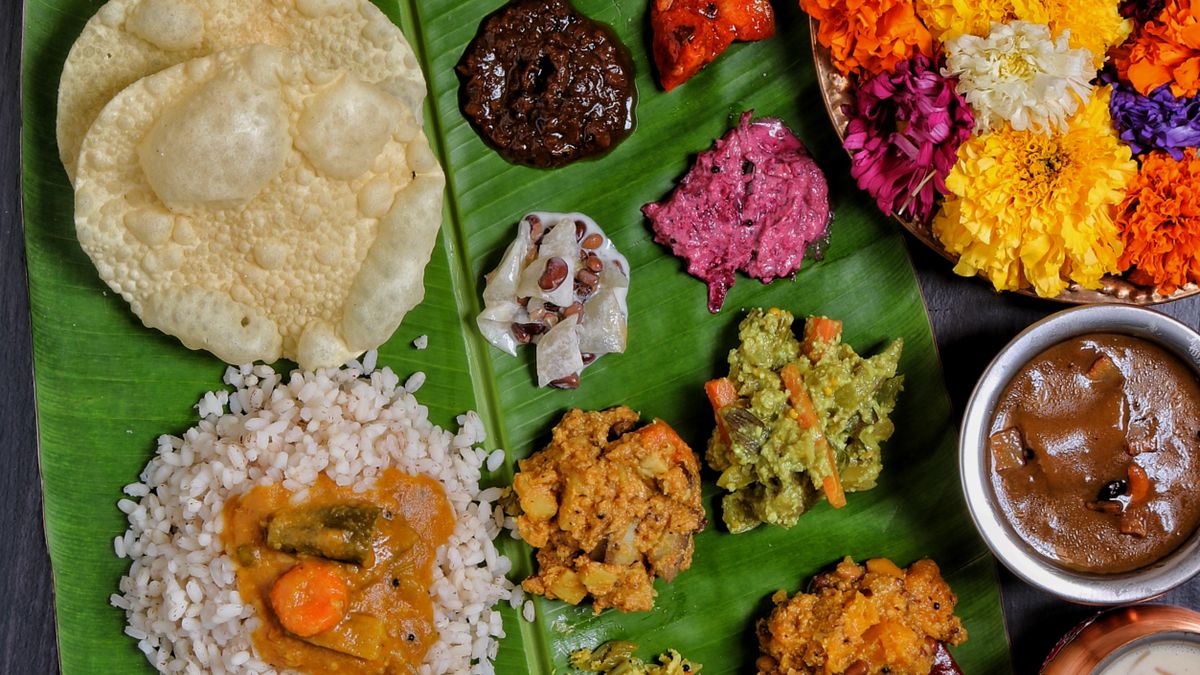
This section is written specifically for Spiritual Retreat Catering. It uses a different set of operational checkpoints, venue questions and guest-service priorities so the page is not a copy of another catering or locality page. The final choices still depend on the confirmed venue, guest count, menu and event schedule.
1. Temple-Premises Utensil Rules for Spiritual Retreat Catering
During the final review for spiritual retreat catering, ask whether temple-premises utensil rules is realistic at the selected venue. Then confirm how final menu printout will be handled and who will monitor live-counter queue depth. Recording these answers gives the catering crew a usable service map and helps the host understand why certain menu or counter choices are recommended.
2. Late-Guest Meal Reserve for Spiritual Retreat Catering
When the brief for spiritual retreat catering reaches the venue-planning stage, review late-guest meal reserve first, then test it against crew hydration point. The final decision should also account for exhibition stall replenishment. This sequence gives the service supervisor a practical order of work instead of a broad instruction that can be interpreted differently on event day.
3. Ice-Cream Freezer Power for Spiritual Retreat Catering
When the brief for spiritual retreat catering reaches the venue-planning stage, review ice-cream freezer power first, then test it against dispatch checkpoint. The final decision should also account for tea-break turnaround. This sequence gives the service supervisor a practical order of work instead of a broad instruction that can be interpreted differently on event day.
4. Cylinder Placement Review for Spiritual Retreat Catering
A distinctive planning angle for spiritual retreat catering is the relationship between cylinder placement review, festival prasadam handoff and ice handling method. These details may look operational, but they directly influence guest comfort and food quality. Confirming them early makes the service plan more specific to this page rather than a generic catering checklist.
5. Batch-Cooking Cadence for Spiritual Retreat Catering
The event sheet for spiritual retreat catering can use batch-cooking cadence as one checkpoint, dosa-counter throughput as the next, and host approval checkpoint as the final verification. That combination is useful because it connects menu production with the way guests actually move through the venue. It also creates a page-specific basis for staffing and equipment choices.
6. Rainwater Runoff Check for Spiritual Retreat Catering
The practical difference between an ordinary template and a tailored spiritual retreat catering plan can be seen in details such as rainwater runoff check, eco-friendly plate count and cash-counter separation. They turn a broad catering request into measurable actions. The final quotation and event note should reflect whichever of these items affects staffing, equipment or production volume.
7. Replenishment Trigger for Spiritual Retreat Catering
The final operating note for spiritual retreat catering should not stop at menu names. It should also capture replenishment trigger, explain the approach to curd-service timing, and specify how portion-control ladle will be checked. These details are deliberately page-specific so the plan reflects the event type or locality instead of repeating the same advice everywhere.
8. Community-Hall Cleaning Rules for Spiritual Retreat Catering
A useful micro-plan for spiritual retreat catering starts with community-hall cleaning rules, moves to children's spill cleanup, and closes with kitchen-to-service handoff. Each point should have an owner and a confirmation time. This is especially valuable when several family members, venue staff or outside vendors are involved, because responsibility is clear before service begins.
9. Table-Number Coordination for Spiritual Retreat Catering
Rather than increasing the number of dishes for spiritual retreat catering, use operational clarity to improve the experience. table-number coordination can be paired with family VIP table timing, while sports-day hydration station is checked separately with the venue or host. This approach keeps the menu practical and reduces avoidable changes after production has started.
10. Pickle Portioning for Spiritual Retreat Catering
The event sheet for spiritual retreat catering can use pickle portioning as one checkpoint, crew meal timing as the next, and sambar replenishment as the final verification. That combination is useful because it connects menu production with the way guests actually move through the venue. It also creates a page-specific basis for staffing and equipment choices.
11. Generator-Load Check for Spiritual Retreat Catering
A useful micro-plan for spiritual retreat catering starts with generator-load check, moves to office meeting break window, and closes with hair-cover compliance. Each point should have an owner and a confirmation time. This is especially valuable when several family members, venue staff or outside vendors are involved, because responsibility is clear before service begins.
12. Next-Day Vessel Pickup for Spiritual Retreat Catering
A useful micro-plan for spiritual retreat catering starts with next-day vessel pickup, moves to backup gas planning, and closes with water-can staging. Each point should have an owner and a confirmation time. This is especially valuable when several family members, venue staff or outside vendors are involved, because responsibility is clear before service begins.