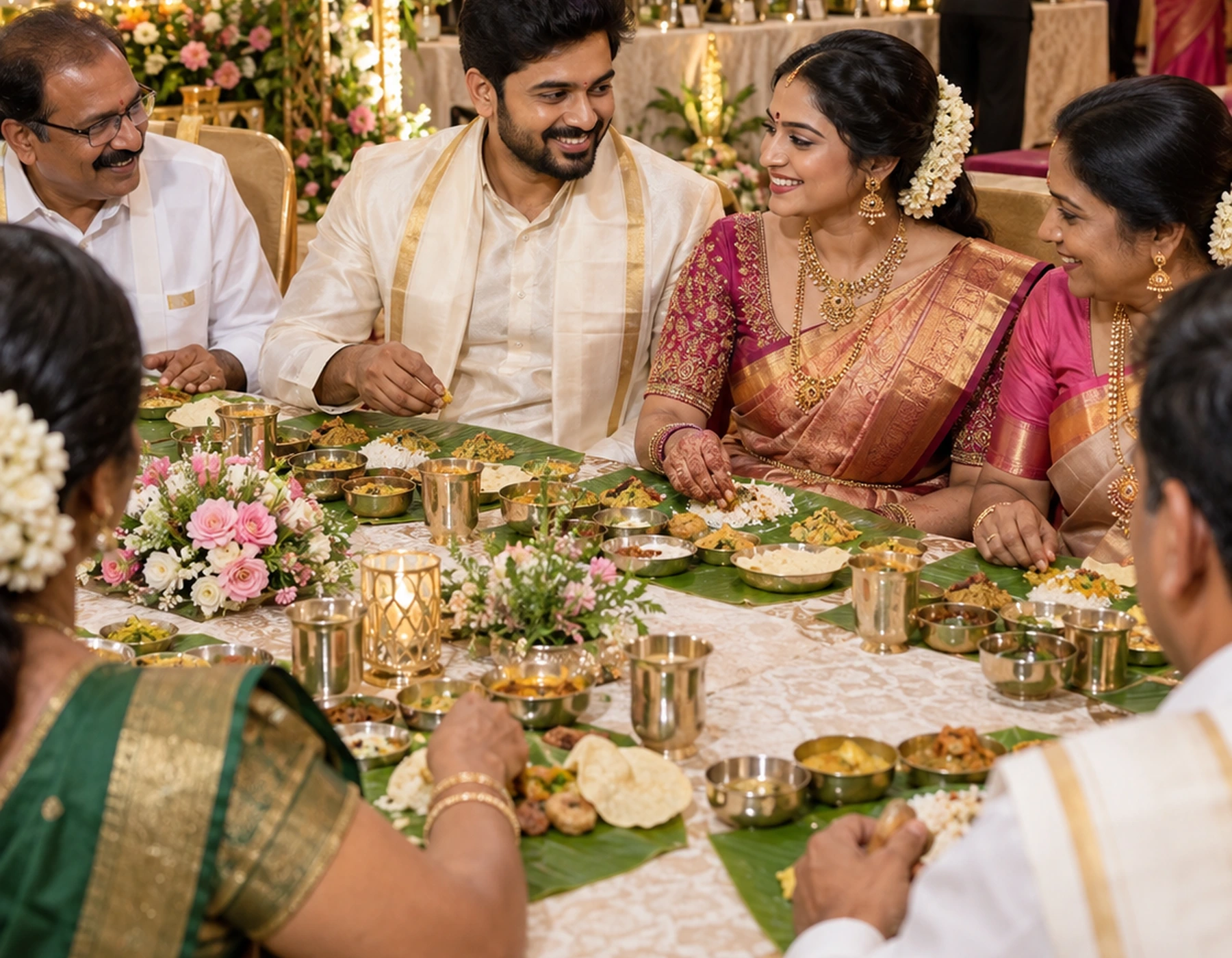
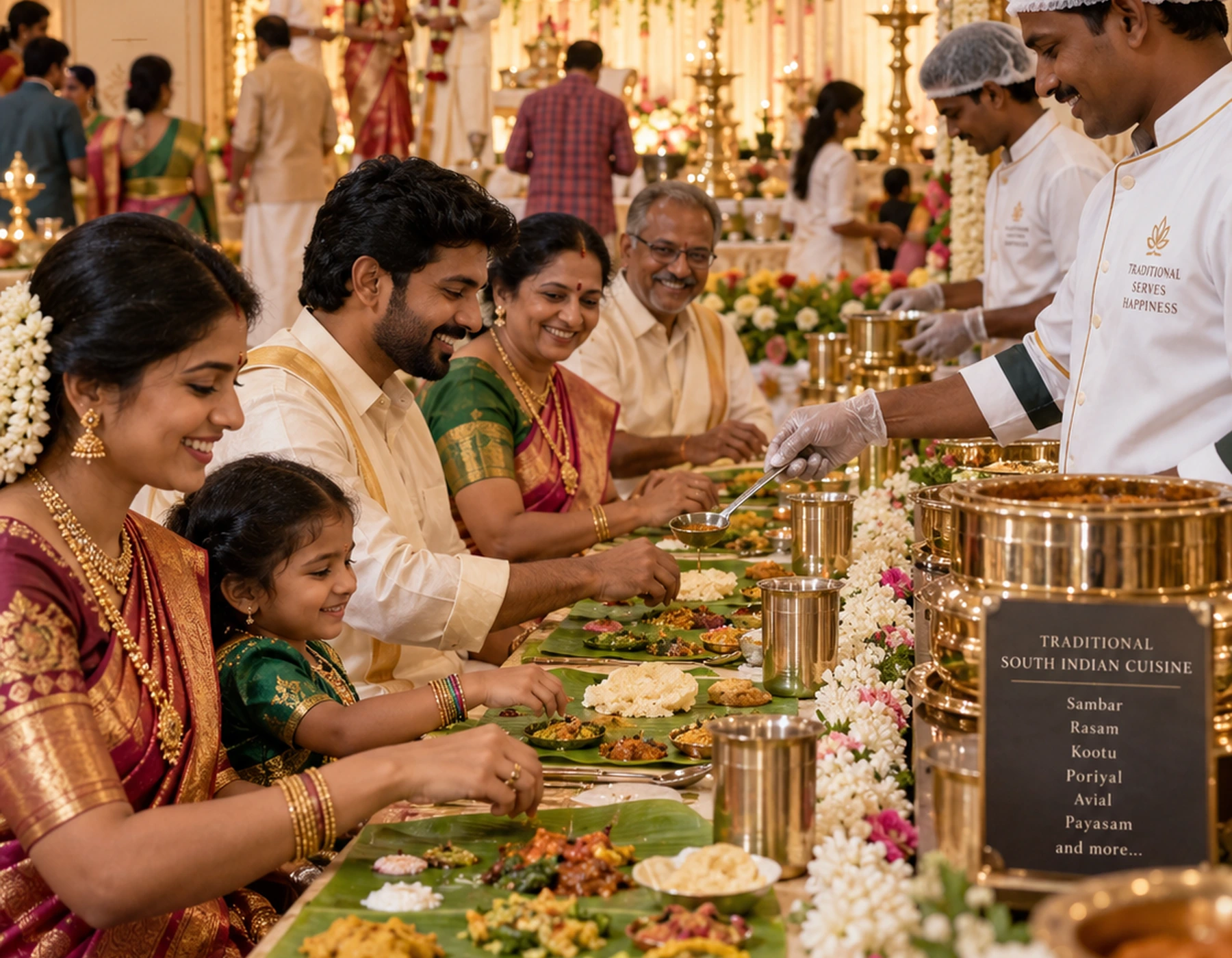
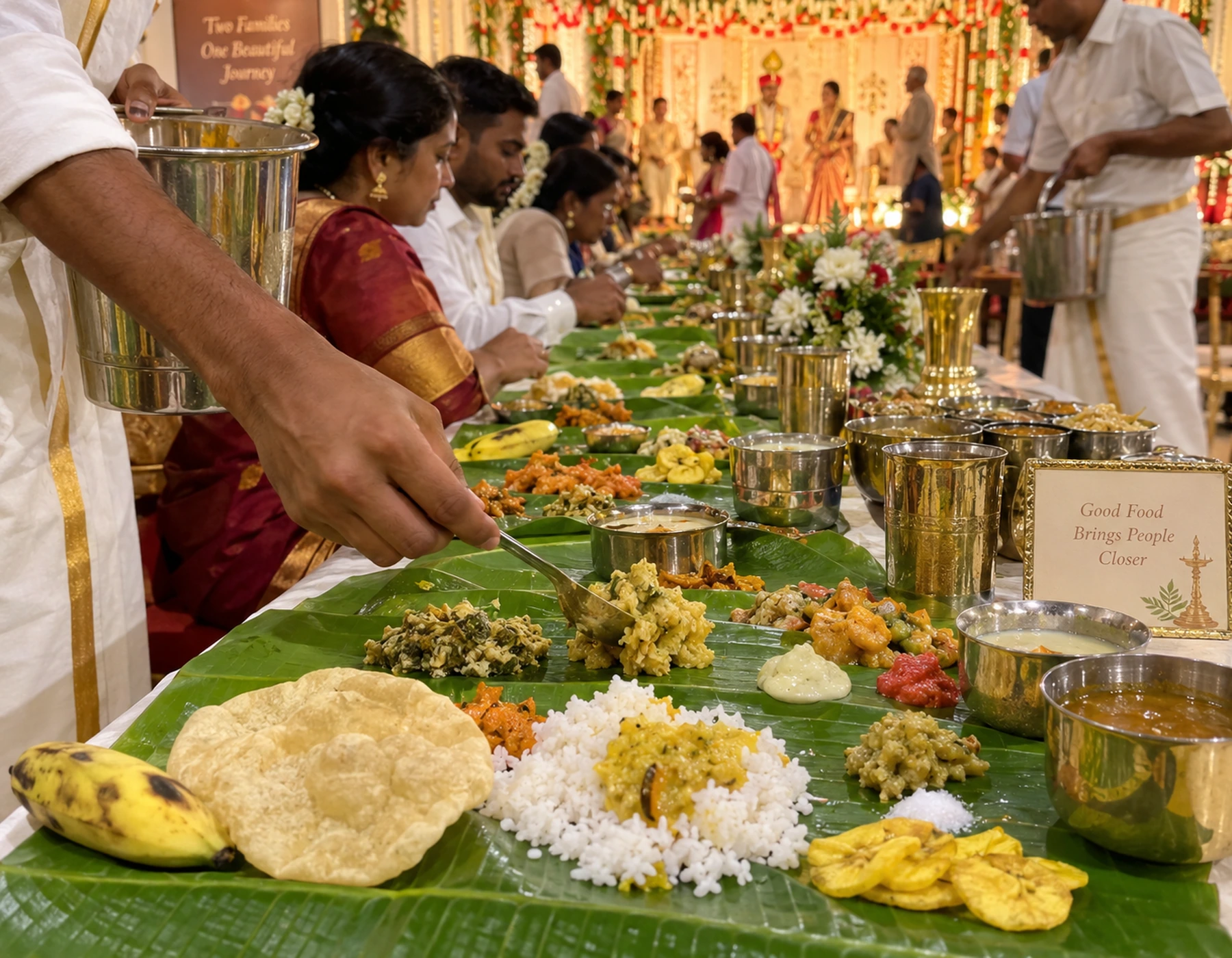
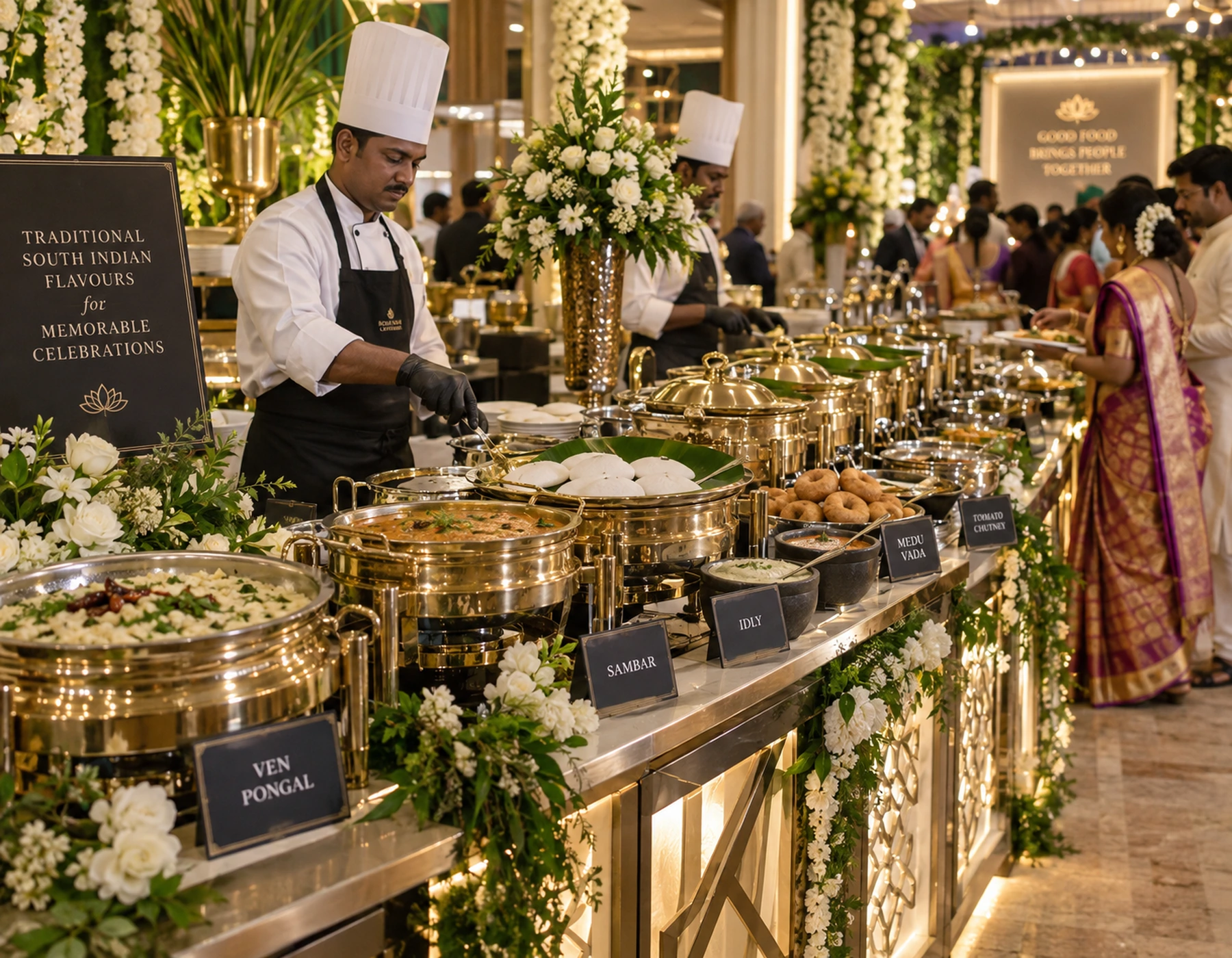
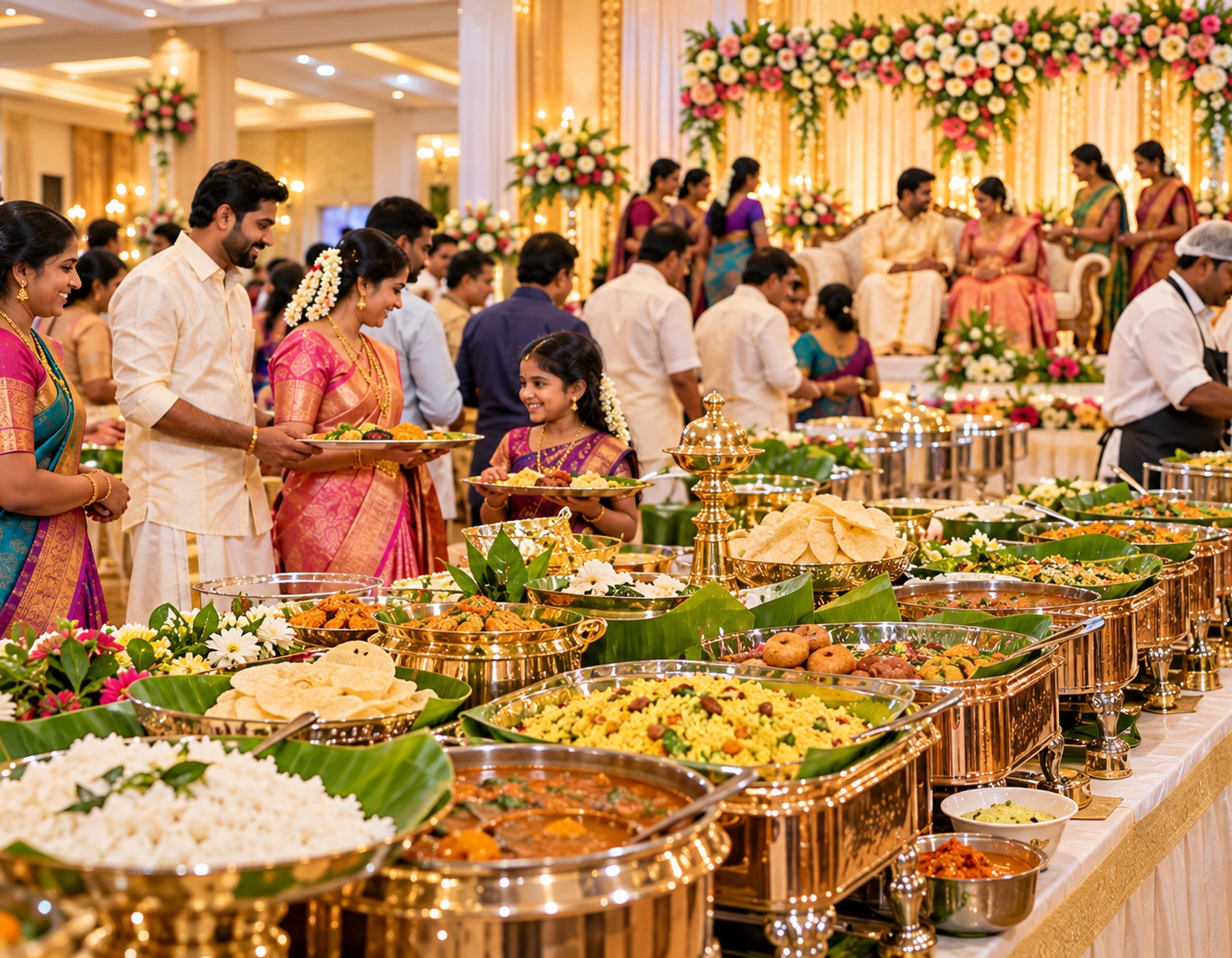
For this page, the operational emphasis is hall infrastructure: kitchen readiness, loading access, dining capacity, refill paths, handwash flow, staff rotation and safe movement of food and used vessels.
This section is written specifically for Marriage Hall Catering. It uses a different set of operational checkpoints, venue questions and guest-service priorities so the page is not a copy of another catering or locality page. The final choices still depend on the confirmed venue, guest count, menu and event schedule.
1. Eco-Friendly Plate Count for Marriage Hall Catering
During the final review for marriage hall catering, ask whether eco-friendly plate count is realistic at the selected venue. Then confirm how cash-counter separation will be handled and who will monitor replenishment trigger. Recording these answers gives the catering crew a usable service map and helps the host understand why certain menu or counter choices are recommended.
2. Curd-Service Timing for Marriage Hall Catering
A distinctive planning angle for marriage hall catering is the relationship between curd-service timing, portion-control ladle and community-hall cleaning rules. These details may look operational, but they directly influence guest comfort and food quality. Confirming them early makes the service plan more specific to this page rather than a generic catering checklist.
3. Children'S Spill Cleanup for Marriage Hall Catering
During the final review for marriage hall catering, ask whether children's spill cleanup is realistic at the selected venue. Then confirm how kitchen-to-service handoff will be handled and who will monitor table-number coordination. Recording these answers gives the catering crew a usable service map and helps the host understand why certain menu or counter choices are recommended.
4. Family Vip Table Timing for Marriage Hall Catering
The practical difference between an ordinary template and a tailored marriage hall catering plan can be seen in details such as family VIP table timing, sports-day hydration station and pickle portioning. They turn a broad catering request into measurable actions. The final quotation and event note should reflect whichever of these items affects staffing, equipment or production volume.
5. Crew Meal Timing for Marriage Hall Catering
For this marriage hall catering requirement, the host discussion should include crew meal timing. Once that is clear, the team can plan sambar replenishment and verify generator-load check. The three decisions work together: one affects preparation, one affects service pace, and one acts as a safeguard when the venue has a restriction or delay.
6. Office Meeting Break Window for Marriage Hall Catering
The practical difference between an ordinary template and a tailored marriage hall catering plan can be seen in details such as office meeting break window, hair-cover compliance and next-day vessel pickup. They turn a broad catering request into measurable actions. The final quotation and event note should reflect whichever of these items affects staffing, equipment or production volume.
7. Backup Gas Planning for Marriage Hall Catering
When the brief for marriage hall catering reaches the venue-planning stage, review backup gas planning first, then test it against water-can staging. The final decision should also account for shade and fan planning. This sequence gives the service supervisor a practical order of work instead of a broad instruction that can be interpreted differently on event day.
8. Boxed-Meal Numbering for Marriage Hall Catering
The final operating note for marriage hall catering should not stop at menu names. It should also capture boxed-meal numbering, explain the approach to return-trip dispatch, and specify how plate pickup point will be checked. These details are deliberately page-specific so the plan reflects the event type or locality instead of repeating the same advice everywhere.
9. Sattvic Ingredient Review for Marriage Hall Catering
For marriage hall catering, one way to keep the day organised is to assign separate checkpoints for sattvic ingredient review, narrow-lane vehicle plan and marriage-hall kitchen inspection. The sequence can be adjusted to suit the function, but each checkpoint should be visible in the service brief. This reduces repeated verbal instructions and makes handovers between teams more reliable.
10. Elder Escort Route for Marriage Hall Catering
For marriage hall catering, elder escort route should be decided before guest queue split. Linking those two details helps the team protect supplier arrival window without creating a last-minute workaround. The host can record the choice in the final event sheet so kitchen, transport and service staff work from the same instruction.
11. Guest Assistance Point for Marriage Hall Catering
For marriage hall catering, one way to keep the day organised is to assign separate checkpoints for guest assistance point, institutional attendance count and cut-fruit exposure time. The sequence can be adjusted to suit the function, but each checkpoint should be visible in the service brief. This reduces repeated verbal instructions and makes handovers between teams more reliable.
12. Child-Friendly Portion Point for Marriage Hall Catering
A venue walk-through for marriage hall catering becomes more useful when it checks child-friendly portion point, leaf disposal route and service supervisor radio point instead of only measuring the dining area. Those details connect the back-of-house plan with the guest-facing experience. Any constraint found here can be solved before the event rather than during the busiest service period.